Why Disney Keeps Rebuilding Its Empire, and Why Streaming Makes This Time Different
The break that forced Disney's strategy was not Netflix's arrival but the moment legacy media learned its subscriber base was no longer growing. The hosts read the ESPN subscriber losses as that recognition, and argue Disney can survive streaming without winning Netflix's game—by using theaters, parks, and its back catalog differently.
Contents 6 sections
A Company Worth More in Pieces
The Disney described at the beginning of this Acquired episode is not an inevitable empire. By 1984, its earnings had declined for two consecutive years, animation had lost its central role, and corporate raiders could plausibly value the library, parks, and other assets more highly apart than together. Roy E. Disney and the Bass family responded by changing control of the company and installing Michael Eisner and Frank Wells, with Jeffrey Katzenberg taking charge of the studio.
The turnaround did not rest on one hit film. The new team raised prices where demand could absorb them, invested in parks and production, and rebuilt animation as a source of stories that other businesses could use. The hosts say operating profit rose from well under $300 million in 1984 to just under $2 billion a decade later. That number is their account and still requires primary-source review, but it captures the scale of the change they are describing.
Animation Was the Beginning of the Flywheel
The Little Mermaid did not merely restart a run of animated films. Together with Beauty and the Beast, Aladdin, and The Lion King, it rebuilt a catalog of characters and music that could travel through theaters, home video, stores, licensing, Broadway, resorts, and parks. CAPS modernized the production process, but the business result came from joining creative renewal to distribution and merchandising.
Home video shows the flywheel most clearly. The hosts describe it as quickly becoming a billion-dollar business and Disney's second-largest profit center after parks. A film no longer earned money only during its theatrical window; Disney could return to the same family years later through a cassette, a costume, a stage production, or a park visit.
That system was powerful because the businesses reinforced one another. It was also fragile because it depended on exceptional stories entering the system. When animation weakened, the financial damage could arrive later, after the existing catalog and parks had temporarily hidden the creative decline.
ESPN Extended the Golden Age and Deepened the Dependence
The Capital Cities/ABC acquisition added a broadcast network, but ESPN became the extraordinary asset. Its cable affiliate fees were paid across the bundle, including by households that did not actively watch the channel. Sports highlights became valuable programming assembled around rights that Disney already controlled, while the operating costs beyond those rights were comparatively modest in the hosts' telling.
ESPN could therefore support Disney when animation or parks faltered. After the September 11 attacks, the hosts say the parks business fell abruptly while travel remained depressed. At the same time, animation weakness and shareholder pressure culminated in Roy Disney and Stanley Gold's Save Disney campaign.
This second crisis matters because it shows that a large profit pool cannot permanently substitute for creative and organizational coherence. Eisner's first decade had built an extraordinary system. The later years revealed what happened when its leadership partnership broke down and its creative center stopped supplying the rest of the company.
Iger Bought the Stories Disney Could No Longer Reliably Make
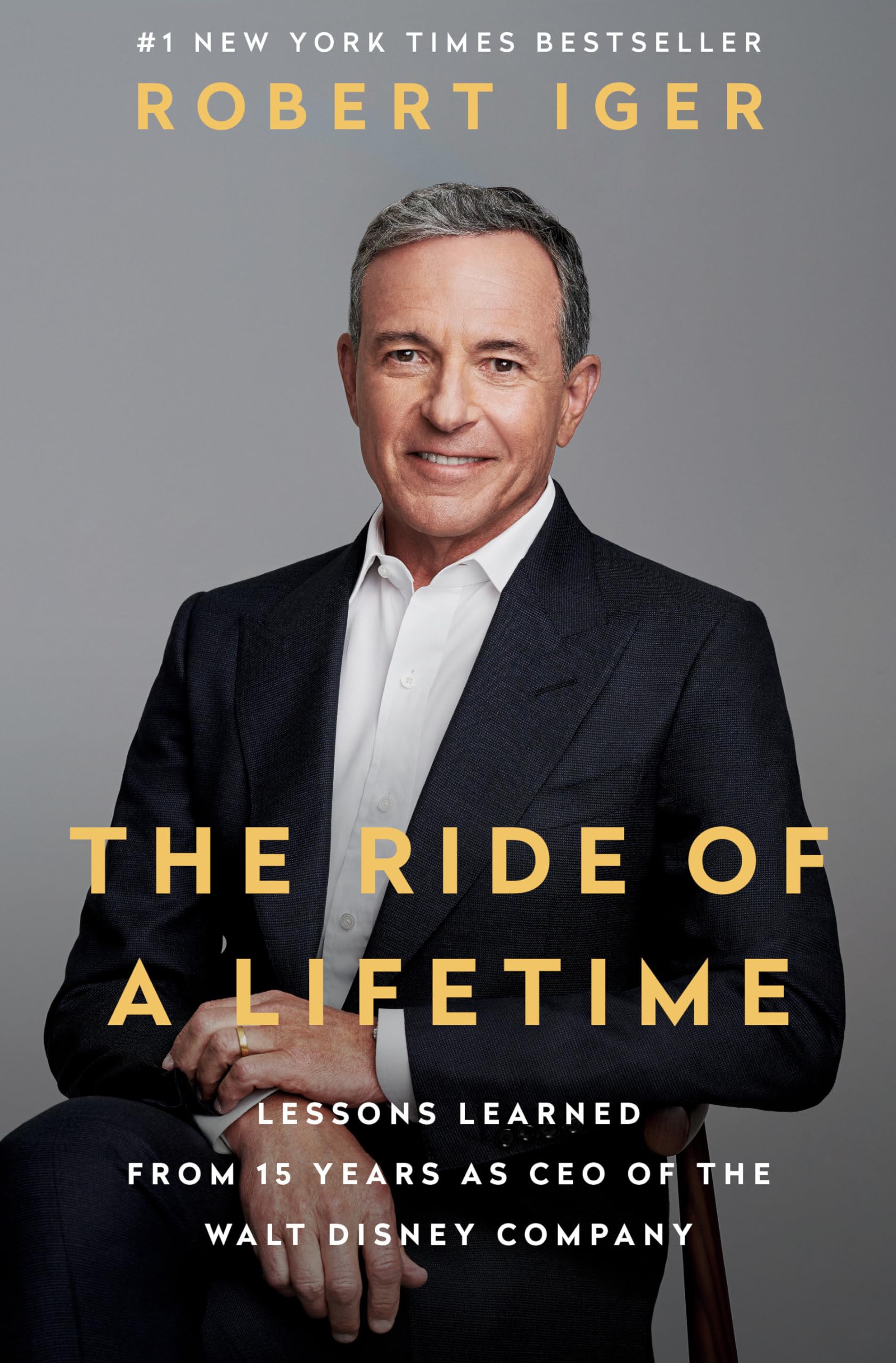
Bob Iger's strategic answer was to prioritize high-quality branded content, technology, and international growth. Pixar was the decisive first move. In the hosts' account, the acquisition did more than add Toy Story and other franchises: Pixar's iterative creative process helped revive Disney Animation. They summarize the outcome bluntly: the acquisition “absolutely saved the company.”
Marvel and Lucasfilm extended the same logic. Instead of assuming Disney could manufacture every future franchise internally, Iger made Disney the preferred home for exceptional characters and stories that needed global distribution, consumer products, and physical experiences. This produced another long run of films, merchandise, and park expansion.
But acquisitions also created a new dependency. Pixar, Marvel, and Lucasfilm supplied enormous fuel, yet the hosts question whether that fuel lasts for fifty years or roughly twenty. Sequels can sustain awareness while also exhausting audiences. A flywheel built around durable intellectual property still needs genuinely new creative energy.
Streaming Is Not Just Another Distribution Window
Cord cutting broke the economics that made ESPN so profitable. The cable bundle collected money from viewers and non-viewers alike; direct-to-consumer streaming gets paid only by people who choose to subscribe and continue subscribing. Disney acquired BAMTech and launched Disney+ because keeping the old model was no longer an option.
Yet Disney+ asks Disney to operate against its historical rhythm. The classic flywheel begins with a small number of unusually strong releases. A scaled subscription service demands a continuing flow of content to acquire and retain customers. More production raises cost and gives a high-trust brand more opportunities to disappoint. The Fox acquisition added volume, but it also made the company more complex precisely when streaming required fast, coherent execution.
COVID then closed the parks and accelerated organizational change under Bob Chapek. Iger's eventual return reflected more than a personnel reversal. The company was still learning what Disney+ had become, how Hulu fit beside it, how content decisions should relate to distribution, and which old profits could never be recreated.
Survival Is Not the Same as Restoring the Old Environment
The current picture in the episode is neither collapse nor a return to the old peak. Streaming has become profitable in the hosts' account, generating about $1 billion in the prior year, but its margins remain unlike those of cable channels. Parks are again central. Theatrical distribution is culturally visible but financially much smaller than many observers assume.
The bear case is that Disney+ remains subscale beside Netflix, limits the reach of Disney's own films, and pushes the company toward a content volume that weakens its brands. The bull case is that Disney does not need to win Netflix's exact game. Its parks, characters, and institutional ability to steward external intellectual property can support a strong second-place service and a broader business that no pure streamer can easily reproduce.
The episode's deepest conclusion is therefore restrained. Disney has repeatedly recovered because it can reconnect stories, distribution, and physical experiences. But the prosperity of cable affiliate fees, home video, and frequent theatergoing was an unusually favorable environment. The next Disney can still thrive. It will not do so by pretending that environment still exists.