The Duran

The Duran

HostAlexander Mercouris, Alex Christoforou
Official Site ↗

All Episodes

9
80 claims indexed
US Tries To Take Hormuz Or Trump Takes Pickaxe Mountain Off Ramp

US Tries To Take Hormuz Or Trump Takes Pickaxe Mountain Off Ramp

2026-07-24
·
16:39

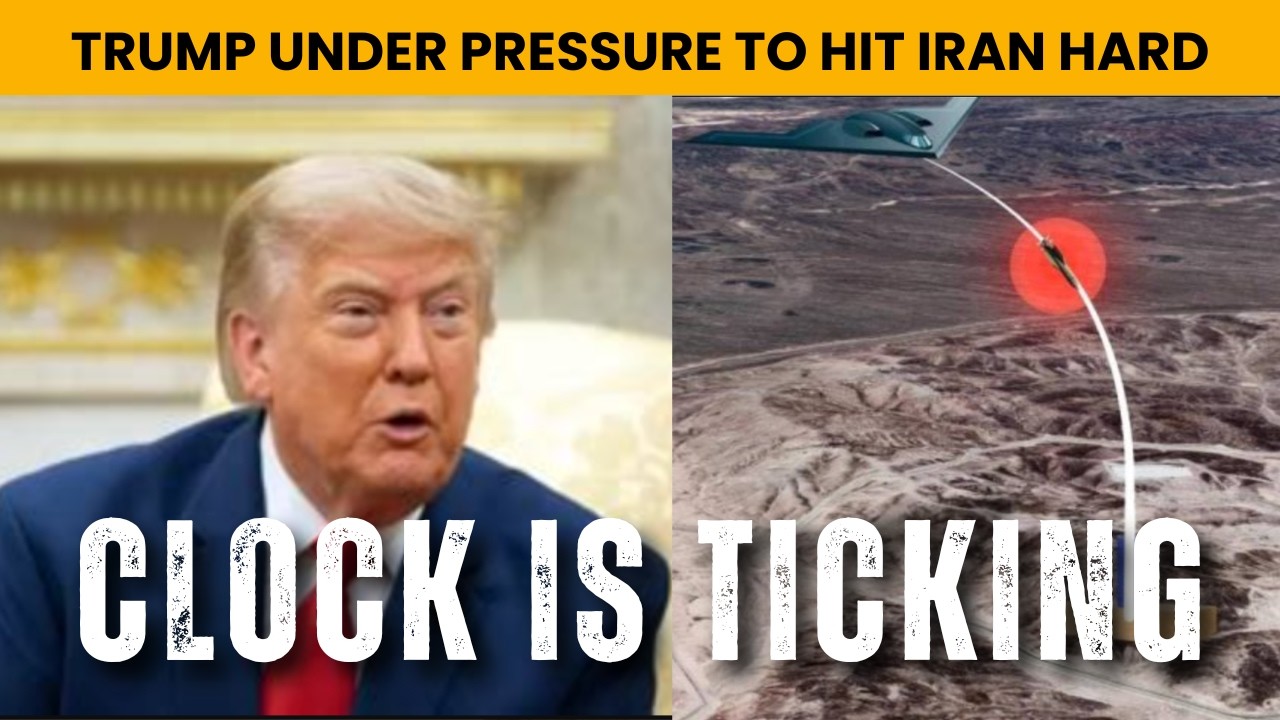
The Duran ·Alex Christoforou and Alexander Mercouris examine an Axios report that Donald Trump was considering a strike on Iran larger than the earlier operation described in the episode as Epic Fury. They caution that previous promises of overwhelming strikes did not produce the decisive outcomes advertised, while arguing that Iran's capacity to retaliate has repeatedly been underestimated. Their central argument is that the conflict is governed by the Strait of Hormuz and the effect of restricted shipping on oil prices. They outline several possible US choices: intensified air strikes, a ground operation, a negotiated arrangement, or a highly visible strike on Pickaxe Mountain that could be presented as victory and used as a temporary off-ramp. The final scenario is explicitly speculative and depends on assumptions about Iran reopening shipping routes, lower oil prices, US stockpile recovery, and the timing of the midterm elections.
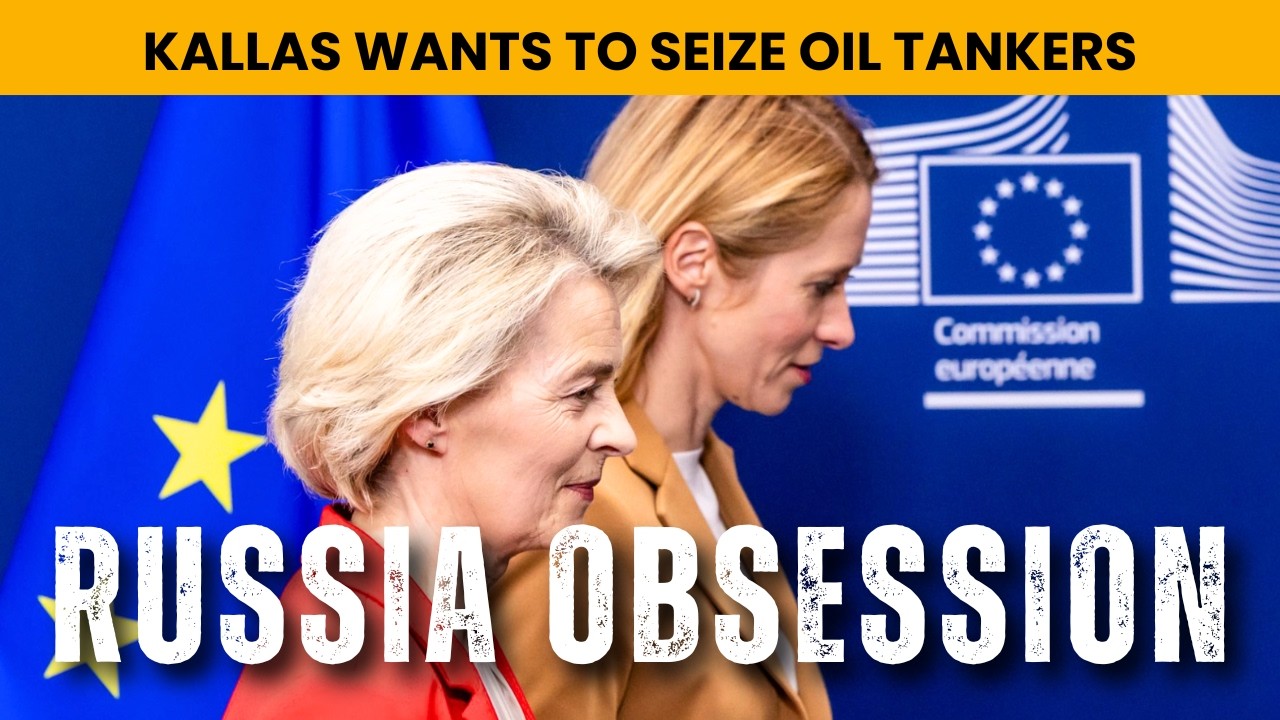
Europe's Self Inflicted Energy Nightmare Deepens

Europe's Self Inflicted Energy Nightmare Deepens

2026-07-26
·
20:21

The Duran ·Alex Christoforou and Alexander Mercouris discuss rising European energy costs against the background of the EU's latest sanctions package. They cite Brent crude near or above $100, unusually low European gas reserves, diesel shortages, higher wholesale gas prices, and a reported rise in Russian oil-export revenue. These quantities and causal connections are claims made in the episode and are not independently verified here. The second half argues that Europe's predicament is self-inflicted. The hosts connect the suspension of Nord Stream with German and European deindustrialization, criticize the logic of the oil price cap and further sanctions, and suggest that some European leaders still expect economic rewards from weakening or breaking up Russia. The discussion ends by questioning the democratic accountability and career incentives of EU political elites.

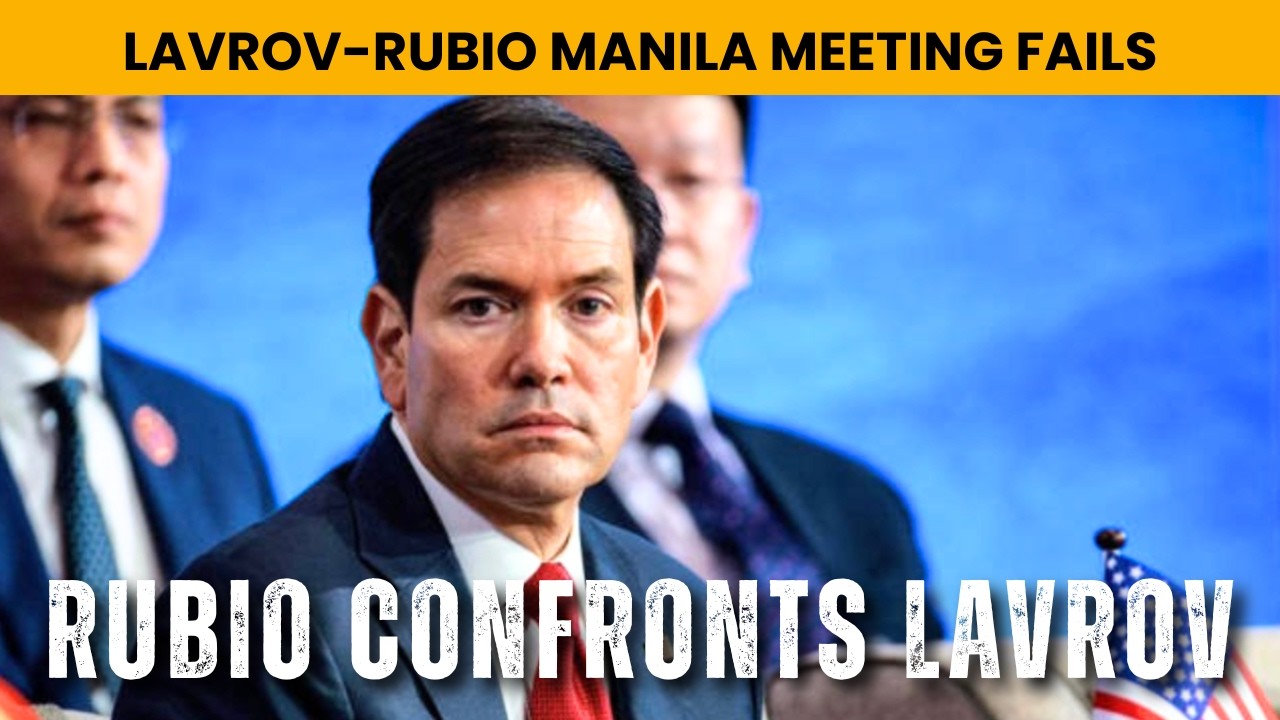
Manila Meeting: Lavrov, Rubio And Iran Strikes CIA Facilities

Manila Meeting: Lavrov, Rubio And Iran Strikes CIA Facilities

2026-07-23
·
24:59

The Duran ·Alex Christoforou and Alexander Mercouris discuss Sergey Lavrov's meeting with Marco Rubio in Manila, interpreting its short duration and limited public outcome as evidence that it failed to resolve the underlying dispute. They connect the meeting to allegations that Russia supplied intelligence or drone technology used by Iran against CIA-related facilities, and argue that Washington is increasingly concerned about Russian assistance to Iran. These allegations are not independently verified in the episode. The discussion then moves between Iran and Ukraine. The hosts describe alleged decision-making involving Trump, Netanyahu, and Mossad chief David Barnea; a reported warning from Putin after an attack associated with Valdai; Peskov's denial of a Bloomberg report; and possible changes to Russian negotiating demands concerning Kharkiv and Sumy. They consider sanctions, satellite intelligence, and covert action as possible US responses, and close by predicting an intensified shadow war and Russian retaliation.

Three Wars: Russia, Iran and Mali Are Reshaping the World w/ Stanislav Krapivnik

Three Wars: Russia, Iran and Mali Are Reshaping the World w/ Stanislav Krapivnik

2026-05-10
·
65:54

The Duran ·Alex Christoforou and Alexander Mercouris ask military analyst Stanislav Krapivnik to compare the wars involving Russia and Ukraine and the United States and Iran. Krapivnik expands the framing to a third theater in Africa, particularly Mali, and argues that Russian military practice treats war as a systematized science while US practice relies more heavily on individual commanders and an art-of-war tradition. He connects this distinction to historical examples and to what he describes as current Russian adaptation in drone warfare. A large middle section focuses on drones. Krapivnik describes specialized Russian drone battalions and regiments, front-line prototyping, Geran systems, fiber-optic FPV drones, and distinct reconnaissance, attack, bombing, and resupply missions. The discussion then turns to alleged Ukrainian point incentives for drone strikes and to what Krapivnik calls NATO kill tables. These allegations, particularly those involving civilian targeting and casualty estimates, are presented as the guest's claims and are not independently verified here. The final part contrasts methodical Russian operations with what the speakers characterize as improvised US operations against Iran. It includes unverified claims about PAC-2 and PAC-3 expenditure, battlefield control around Konstantinovka, Kupyansk, Lyman, and Sumy, and Russian reserve strength. The episode closes with a prediction that high-power microwave counter-drone systems could suppress drone swarms and make large-scale maneuver more viable again.

Saudi Arabia Pulled Into War, Oil Exports at Risk

Saudi Arabia Pulled Into War, Oil Exports at Risk

2026-07-30
·
16:12

The Duran ·Alex Christoforou and Alexander Mercouris discuss what they present as renewed escalation between Saudi Arabia and the Houthi movement. Mercouris says Houthi attacks on Saudi oil facilities, risk around the Bab el-Mandeb Strait, the asserted closure of the Strait of Hormuz, and alleged drone attacks from Iraq could sharply reduce Saudi oil exports. He argues that Saudi Arabia is entering this confrontation from a weaker position than during its earlier intervention in Yemen because its former partners are constrained by the wider conflict with Iran. These current military, shipping, and energy claims are not independently verified in the episode. The discussion then shifts from operational risk to political causation. Mercouris says a Saudi strike on Sana'a Airport broke the earlier ceasefire after an Iranian aircraft transported a Houthi delegation to Ali Khamenei's funeral. Both hosts speculate that pressure from the United States or Israel and a proposed US-Saudi uranium enrichment agreement may have influenced the Saudi decision. Mercouris further claims that recognition of Israel was subsequently attached to the nuclear arrangement and uses the episode to argue that Donald Trump treats diplomatic promises as temporary leverage. The closing prediction is that Trump may similarly combine Turkish F-35 and Saudi issues when seeking concessions from Benjamin Netanyahu.

Black Sea Now Russian Lake, West's Grain Gamble Backfired

Black Sea Now Russian Lake, West's Grain Gamble Backfired

2026-07-25
·
25:34

The Duran ·Alex Christoforou and Alexander Mercouris discuss what they describe as the closure of Ukrainian Black Sea ports to commercial shipping. They attribute the change to a Russian blockade following attacks on Russian grain ships in the Sea of Azov and argue that the resulting export constraints will damage Ukraine's economy and may increase European food prices. These operational and economic assertions are episode claims and require current shipping and trade data. The hosts place the blockade within a broader cycle of attacks and retaliation involving refineries, commercial infrastructure, logistics, and agricultural exports. They revisit the 2022 grain agreement, argue that provisions for Russian fertilizer exports were not implemented, and say Western attempts to pressure Russia have repeatedly produced adaptations and countermeasures. A brief closing section considers Andy Burnham's posture toward Ukraine and predicts little substantive change in British policy.

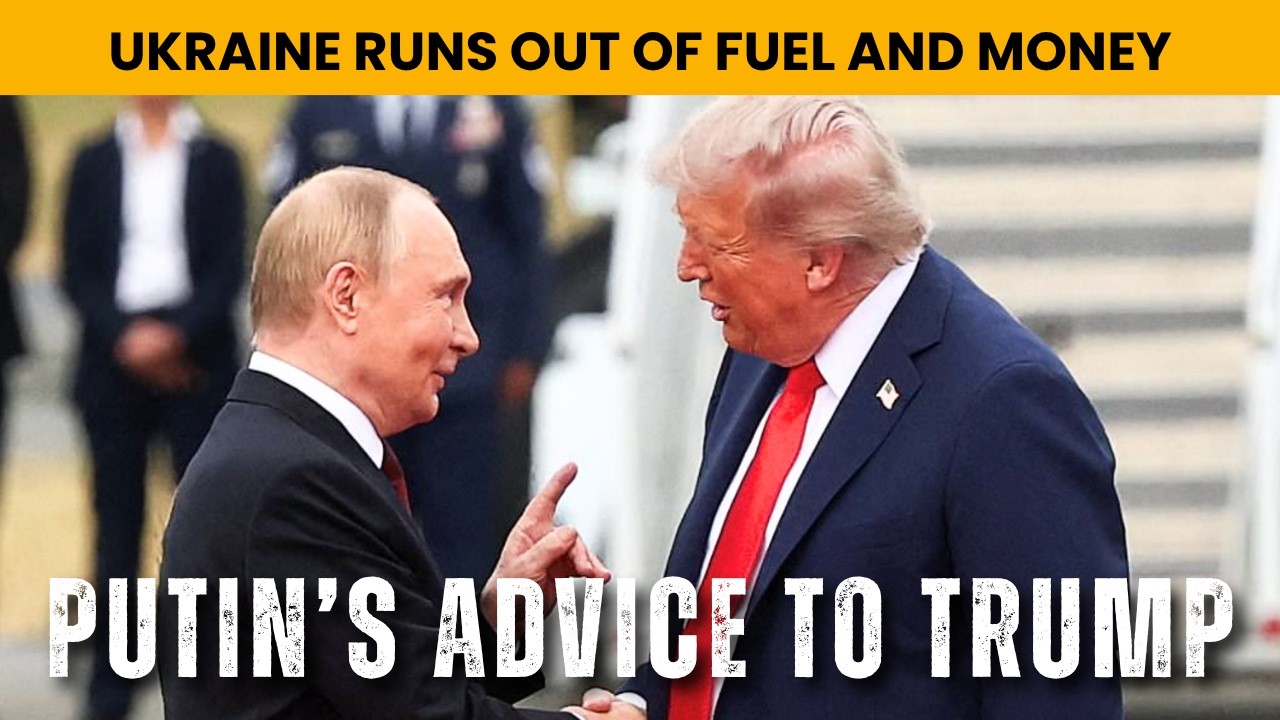
Putin's Advice to Trump; Ratcliffe's Ukraine Power Grab

Putin's Advice to Trump; Ratcliffe's Ukraine Power Grab

2026-09-10
·
33:08

The Duran ·Alex Christoforou and Alexander Mercouris discuss what they describe as Ukraine's worsening military, financial, and diplomatic position. Mercouris attributes a collapsing front and tax base to Russian strikes, treats a reported Lyman counterattack as unconfirmed public-relations warfare, and says US approaches to Moscow through Ratcliffe's pressure and Witkoff and Kushner's inducements both failed. He reports that Putin told Trump the war ends if Washington stops helping Ukraine. These statements remain the hosts' claims, not independently verified facts.

US-Iran War Dilemma, No Weapons And No Victory

US-Iran War Dilemma, No Weapons And No Victory

2026-07-27
·
27:57

The Duran ·The podcast episode discusses the US pause in airstrikes on Iran due to depleted weapons stockpiles and the ineffectiveness of the strikes, according to US military officials cited by the hosts. The hosts argue that this is an unprecedented situation for the US, which has historically fought wars with overwhelming force. They also highlight the depletion of the US Strategic Petroleum Reserve. The discussion then turns to the need for the US to rebuild its military industries and the possibility that the conflict is not over, but merely paused. The hosts also examine efforts to merge the Iran and Ukraine wars, with Ukraine attacking an Iranian ship in the Caspian Sea, which they see as a risky strategy that could lead to a wider war involving Russia, China, and North Korea. They suggest that the US is losing in both theaters and that some globalist factions want to expand the conflict to entrench US involvement.

Podcast Articles

(6)
View All Articles

Putin's Advice to Trump: Stop Helping Ukraine

The Duran·Putin's Advice to Trump; Ratcliffe's Ukraine Power Grab
2026-09-10

Alexander Mercouris tells Alex Christoforou that Ukraine's military situation is deteriorating fast in every respect.

America Hits Pause, but the War Is Not Over

The Duran·US-Iran War Dilemma, No Weapons And No Victory
2026-07-27

The US halt of airstrikes on Iran entered its third day, but the program stressed repeatedly that this is not a ceasefire agreed by both sides.